
Chasing the Edge of Fast
RapidBridge traces the history of speed in the air — the decades-long push to fly faster than anyone thought possible, measured not in comfort or distance, but in raw velocity. Every record on this site marks a moment when an aircraft, and the pilot inside it, went faster than the world believed the sky would allow.
What Counts as a Speed Record
Air speed records are measured under strict, standardized conditions:
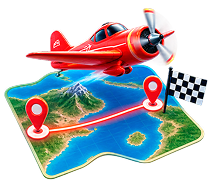
Course-based records
flown over a fixed, measured distance, often a straight line or closed circuit
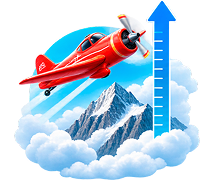
Altitude-adjusted records
some records are set at specific altitudes, where thinner air changes an aircraft's true performance
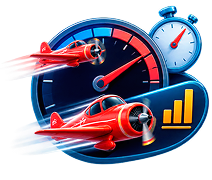
Sustained vs. peak speed
a record may reflect the fastest instantaneous speed reached, or the fastest average speed held over an entire course
A Short Timeline
Early 1900s

first officially timed speed trials over short, measured courses
1930s

dedicated racing aircraft push speeds well past what standard designs could reach
1940s–1950s
the transition from propeller to jet propulsion resets nearly every existing record within a few years
1960s onward
speeds climb high enough that heat, not power, becomes the primary design constraint
Why Speed Is So Hard to Add
Adding speed to an aircraft is not a matter of simply adding more power. As an aircraft goes faster, the air around it behaves less like a fluid and more like something that pushes back with disproportionate force — drag increases roughly with the square of speed, meaning a small gain in velocity can demand a dramatic increase in thrust just to overcome the resistance.
Engineers chasing speed records have had to solve this problem in stages. Early gains came from cleaner aerodynamic shapes and more powerful piston engines. Later gains required an entirely new form of propulsion — the jet engine — because propellers become inefficient at the speeds jets could reach. At the highest speeds ever recorded, the limiting factor stops being thrust altogether and becomes heat: air friction against the aircraft's skin generates enough temperature to threaten the structural integrity of the airframe itself, forcing designers to choose materials and shapes as much for heat resistance as for aerodynamics.
Every leap in the speed record, in other words, represents a solved engineering problem — not just a more powerful engine, but a new answer to a physical limit that had stopped every previous attempt.

Notable Milestones

The first aircraft to exceed the speed of sound in level flight

Sustained high-speed runs held long enough to qualify as official average-speed records, not just brief peaks

Piloted aircraft reaching speeds where the surrounding airflow behaves in ways that standard aerodynamic models struggle to predict
Each of these moments required not just a faster aircraft, but new instruments capable of accurately measuring speeds beyond anything previously recorded.
The Pilot's Side of Speed
At extreme speeds, a pilot's margin for error shrinks dramatically. A control input that would be gentle at normal cruising speed can become abrupt and dangerous at record-setting velocities, where the aircraft covers enormous distances in fractions of a second. Pilots attempting speed records train extensively in simulators built specifically to replicate the narrow, split-second decision windows these flights demand — there is often no time to recover from a mistake once a record attempt is underway.
Measuring Speed Today
Modern speed record attempts rely on tools that didn't exist for early aviators:

GPS-based timing accurate to fractions of a second
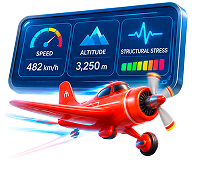
Onboard telemetry that records speed, altitude, and structural stress in real time

a record may reflect the fastest instantaneous speed reached, or the fastest average speed held over an entire course
The pursuit of speed hasn't slowed — it has simply become far more precisely measured than it ever was in aviation's earliest, fastest days.
